Your power steering pump is one of those parts you never think about — until it stops working. Suddenly, turning the wheel feels like arm-wrestling a truck, and every parking lot becomes a workout. Understanding how this critical component works, why it fails, and what to watch for can save you from an expensive breakdown (and sore arms).
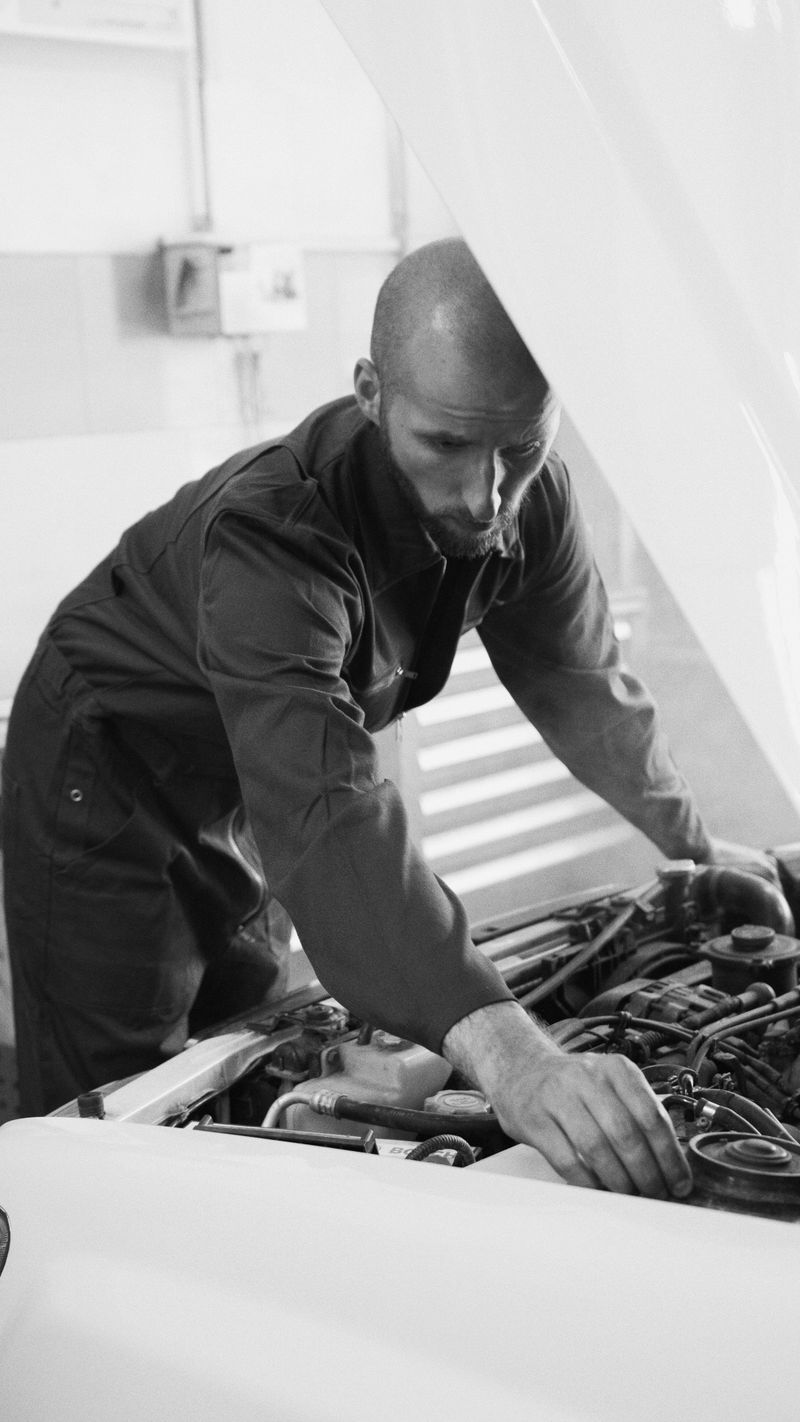
What Does a Power Steering Pump Do?
The power steering pump is the heart of your hydraulic power steering system. It pressurizes power steering fluid and sends it through hoses to the steering gear or rack, providing the hydraulic assist that makes turning your wheel nearly effortless. Without it, you'd be relying entirely on muscle — fine at highway speeds, but brutal at low speeds and while parking.
Most power steering pumps are belt-driven off the engine's crankshaft. They spin constantly while the engine runs, building and maintaining pressure so the system is ready the instant you turn the wheel.
Common Symptoms of Power Steering Pump Failure
A failing power steering pump rarely quits without warning. Here are the telltale signs to listen and feel for:
1. Whining or Squealing Noise
This is the classic red flag. A high-pitched whine that gets louder when you turn the wheel usually means the pump is struggling — often due to low fluid or internal wear. The sound typically comes from the engine bay and changes pitch with engine RPM.
2. Stiff or Heavy Steering
If the wheel suddenly feels heavier than usual, especially at low speeds or while parking, the pump may not be generating enough pressure. You might notice it comes and goes at first before becoming constant.
3. Fluid Leaks
Reddish or light brown puddles under the front of your vehicle are a strong indicator of a power steering fluid leak. Check around the pump itself, the hose connections, and the steering rack. Even a small leak can starve the pump of fluid and accelerate failure.
4. Groaning or Moaning on Turns
A deep groaning sound when turning — especially at full lock — suggests the pump is working overtime or cavitating due to air in the system. This is different from the higher-pitched whine and often signals more advanced wear.
What Causes a Power Steering Pump to Fail?
Several factors contribute to pump failure, and some are preventable:
- Low fluid level: The number-one killer. Running low on power steering fluid causes the pump to overheat and wear prematurely. Leaks are usually the culprit.
- Contaminated fluid: Over time, power steering fluid breaks down and picks up debris from hoses and seals. Dirty fluid acts like liquid sandpaper inside the pump.
- Age and wear: Internal vanes, bearings, and seals simply wear out over time. Most pumps last 100,000+ miles, but harsh conditions shorten that lifespan.
- Drive belt issues: A loose, worn, or glazed serpentine belt can slip on the pump pulley, reducing output and causing noise. A snapped belt means zero power assist instantly.
- Holding the wheel at full lock: Keeping the steering wheel turned all the way to the stop for extended periods creates maximum pressure and heat, stressing the pump unnecessarily.
What Happens If You Ignore It?
Driving with a failing power steering pump won't leave you stranded immediately — the car will still steer. But the consequences escalate quickly:
- Increased effort to steer makes the vehicle harder to control, especially in emergencies
- A seized pump can snap the serpentine belt, killing your alternator and A/C simultaneously
- Metal debris from a disintegrating pump contaminates the entire steering system, potentially damaging the rack and requiring a much more expensive repair
- Fluid leaking onto hot engine components creates a fire risk
Bottom line: a $200–$400 pump replacement is far cheaper than a full steering rack job that can run $1,000 or more.
OEM vs. Aftermarket: Choosing the Right Replacement
When it's time to replace your power steering pump, you'll face the OEM-vs-aftermarket decision:
- OEM (Original Equipment Manufacturer): Built to the exact specifications of your vehicle. Guaranteed fit, consistent quality, and designed to work with your specific steering system. The safer long-term bet.
- Aftermarket: Can range from budget to premium. While some aftermarket options are excellent, inconsistent quality control means you might end up replacing the replacement sooner than expected.
For a safety-critical component like your steering system, OEM is the way to go. The engineering is proven, the fitment is precise, and you avoid the guesswork.
Keep Your Steering Smooth
Regular maintenance goes a long way: check your power steering fluid level periodically, watch for leaks, and don't ignore new noises from under the hood. If your pump is showing symptoms, addressing it early keeps the repair simple and affordable.
Looking for an OEM power steering pump for your vehicle? Pardical Auto Parts stocks genuine OEM steering components at competitive prices — so you get the exact fit and quality your car was built with.
Photo by Artem Podrez on Pexels