You're driving down the highway when suddenly a light pops up on your dashboard — the brake warning light. Your heart rate spikes. Is it safe to keep driving? Do you need to pull over immediately? Let's break down exactly what your car is trying to tell you.
The Two Brake Warning Lights You Need to Know
Most modern vehicles have two separate brake warning lights, and understanding the difference could save your life — and your wallet.
1. The Brake System Warning Light (Red)
This is the one that looks like an exclamation point inside a circle (or just says "BRAKE"). When this light comes on, it usually means one of these things:
- Parking brake is engaged — The simplest explanation. Make sure your parking brake is fully released.
- Low brake fluid — Your brake fluid reservoir may be below the minimum level. This can indicate worn brake pads or a leak in the system.
- Hydraulic system failure — A serious issue where part of your braking system has lost pressure. Pull over safely and do not drive.
- Worn brake pads — Some vehicles trigger this light when pad sensors detect they're worn down to replacement level.
2. The ABS Warning Light (Amber/Yellow)
The ABS (Anti-Lock Braking System) light means your anti-lock system has a fault. Here's the good news: your regular brakes still work. The bad news? Your ABS won't activate during hard braking, which means your wheels could lock up on slippery surfaces.
Common causes of an ABS light include:
- Faulty ABS pump module — The most common culprit. The pump that controls brake pressure during ABS activation has failed.
- Bad wheel speed sensor — These sensors tell the ABS computer how fast each wheel is spinning. Dirt, damage, or corrosion can cause false readings.
- Wiring issues — Corroded connectors or damaged wiring between sensors and the ABS module.
- Low brake fluid — Sometimes triggers both the brake and ABS lights simultaneously.
Both Lights On at the Same Time?
If both your red brake light and ABS light are illuminated, take this seriously. This combination often indicates a significant problem with your braking system. Common causes include:
- A failing ABS pump module that's affecting overall brake pressure
- Severe brake fluid loss
- Master cylinder failure
Our recommendation: Don't drive the vehicle. Have it towed to a mechanic or inspect it yourself if you're experienced.
What to Do When Your Brake Light Comes On
- Check your parking brake first. You'd be surprised how often this is the answer.
- Check your brake fluid level. Pop the hood and look at the brake fluid reservoir. If it's low, top it off — but know that low fluid usually means something else is going on.
- Listen and feel. Are your brakes grinding? Pulsating? Pulling to one side? These symptoms combined with a warning light help pinpoint the issue.
- Get a diagnostic scan. For ABS lights, an OBD-II scanner that reads ABS codes can tell you exactly which component is failing.
- Don't ignore it. Brake issues don't fix themselves, and they only get more expensive (and dangerous) over time.
Replacing Your ABS Pump Module
If your diagnosis points to a bad ABS pump module, you're looking at one of the more expensive brake repairs. New aftermarket units can run $300-$800+, and dealer parts are even more.
That's why many car owners and mechanics turn to quality used OEM parts. A genuine OEM ABS pump from the same make and model gives you the exact fit and function the manufacturer intended — at a fraction of the cost of new.
At Pardical Auto Parts, we carry tested OEM ABS pump assemblies for a wide range of vehicles. Every part comes from a verified source with the correct fitment information, so you know it's going to work in your vehicle.
The Bottom Line
Your brake warning lights exist for a reason — they're your car's way of telling you something needs attention. Whether it's as simple as releasing your parking brake or as involved as replacing an ABS module, addressing the issue promptly keeps you safe on the road and prevents small problems from becoming big (expensive) ones.
Need a replacement ABS pump or brake component? Browse our inventory or reach out — we'll help you find the right part for your vehicle.
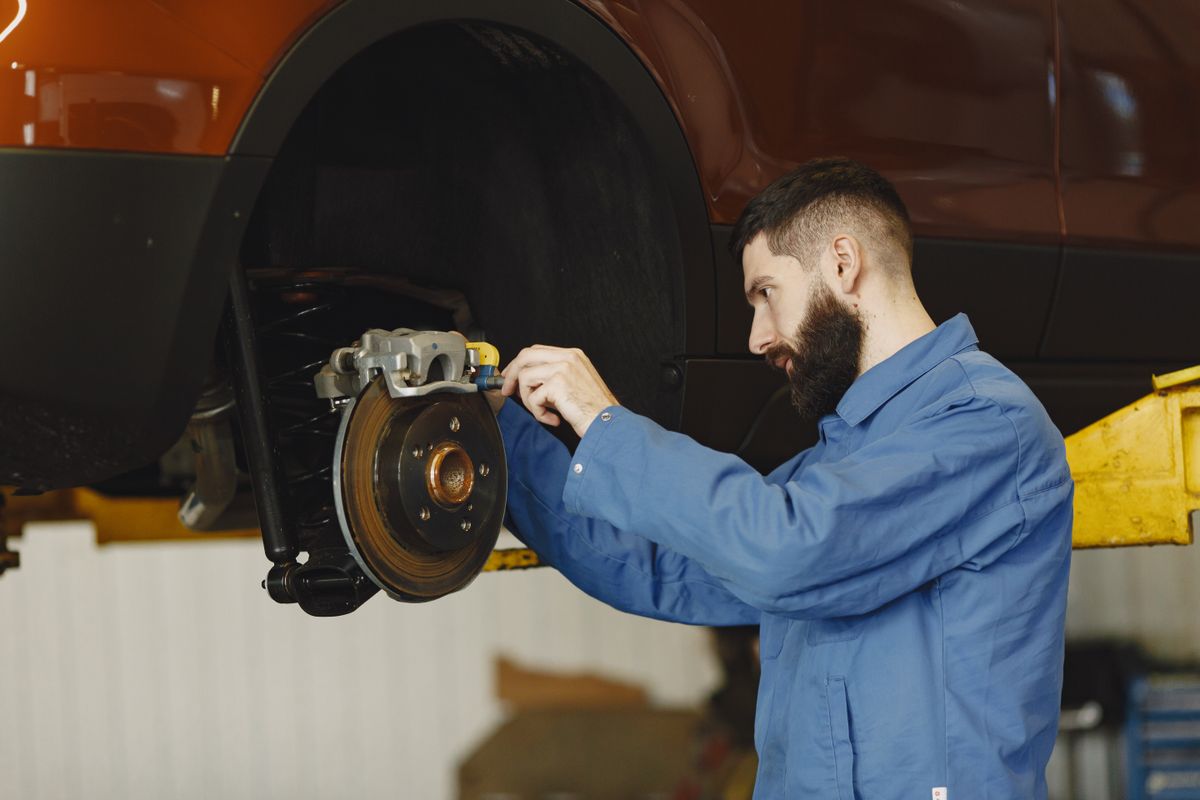
Photo by Gustavo Fring via Pexels